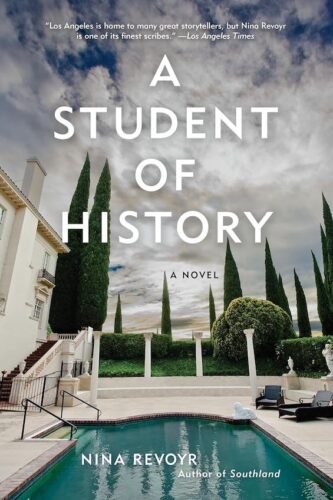
Estimated reading time: 5 minutes Joseph Heller, who wrote Catch-22, once famously defined a novel in which "something happens." He even later wrote a novel with that title. (It wasn't very good.) So, it's reasonable for a reader to expect upon digging into a...
Estimated reading time: 5 minutes Let's say you want to write a superhero story without superheroes. What do you do? Simple. You endow ordinary people with superhuman intelligence and enhanced senses by implanting something in their brains. Chips, maybe. Or nanocytes....
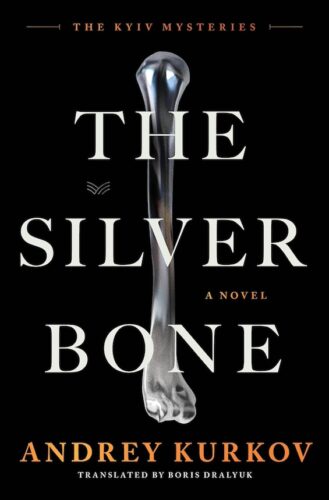
Estimated reading time: 5 minutes Kyiv, Ukraine, 1919. Everything is scarce in this city of half a million souls. Food. Water. Electricity. And chaos reigns. Control of the city and its suburbs shifts from week to week among warring factions. The Red Army. The Whites...
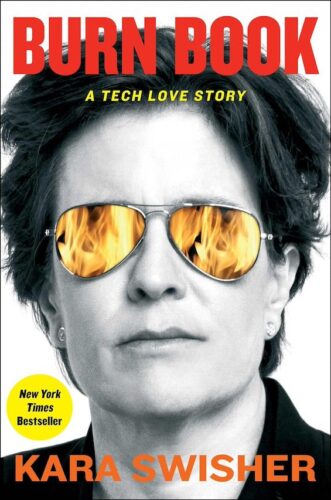
Estimated reading time: 6 minutes Name just about any billionaire in the tech industry, and Kara Swisher is sure to know him. In fact, she's probably interviewed him several times onstage at her events or her podcasts or for her New York Times column, the Wall Street...
Over the past fourteen years, since I began posting book reviews, I’ve read and reviewed more than 450 mysteries and thrillers. A fair number are set in Asia, principally (but not exclusively) in India or China. Some, of course, are standalone efforts. But most are...
Over the past decade, I’ve read and reviewed more than 150 espionage novels (not counting a great many more I never finished). My 15 favorites—well, make that 16: I couldn't choose—are listed immediately below. Though my preliminary list included multiple titles by...
What can history teach us? We know, of course, that history doesn't repeat itself, at least never exactly. But some, perhaps nearly all, of the most successful leaders of the past were ardent students of history. Surely, they learned something from their predecessors,...
In the 19th century, as the nations of Europe rushed to grab ever-larger expanses of territory there, Africa was known as the Dark Continent. That label is still apt, but not for the same reason. Everywhere else—Europe, Asia, the Americas—understanding of Africa and...
If you've been reading my reviews for very long, you're aware that the World War II era holds special fascination for me. This might have something to do with the fact that I was born then—in fact, about six months before the USA entered the war. Or maybe it's just...
Love mysteries and thrillers? Science fiction fan? Prefer to read nonfiction? Or, like me, you just love reading? Take your pick of my four weekly newsletters. Just click the Yes! button, and you’re on your way.
Here you can take your pick of the four newsletters I publish each week. They’re all free of ads, and I never share subscribers’ email addresses with anyone. Just make your newsletter selections below.
Feel free to subscribe to any or all of these newsletters. Remember, they’re ad-free, and I won’t share your contact information with anyone.
Enjoy reading! Mal Warwick
Science Fiction Monday
…includes my latest SF book review, with links to other science fiction content. Emailed every Monday.
…includes summaries and links to all the previous week’s three to five book reviews, including some that don’t appear in any of the other newsletters. Emailed every Thursday.
The Weekly includes summaries and links to all the previous week’s three to five book reviews, including some that don’t appear in any of the other newsletters.
You have Successfully Subscribed!
Monday's Newsletter
Science Fiction Monday includes my latest SF book review, with links to other science fiction content.
You have Successfully Subscribed!
Tuesday's Newsletter
Mysteries & Thrillers Tuesday includes my latest mystery and thriller book review, with links to other science fiction content.
You have Successfully Subscribed!
Wednesday's Newsletter
Nonfiction Wednesday includes my latest nonfiction book review, with links to other nonfiction content.
You have Successfully Subscribed!
Thursday's Newsletter
The Weekly includes summaries and links to all the previous week’s three to five book reviews, including some that don’t appear in any of the other newsletters.
You have Successfully Subscribed!
Monday's Newsletter
Science Fiction Monday includes my latest SF book review, with links to other science fiction content.
You have Successfully Subscribed!
Tuesday's Newsletter
Mysteries & Thrillers Tuesday includes my latest mystery and thriller book review, with links to other science fiction content.
You have Successfully Subscribed!
Wednesday's Newsletter
Nonfiction Wednesday includes my latest nonfiction book review, with links to other nonfiction content.
You have Successfully Subscribed!
Thursday's Newsletter
The Weekly includes summaries and links to all the previous week’s three to five book reviews, including some that don’t appear in any of the other newsletters.