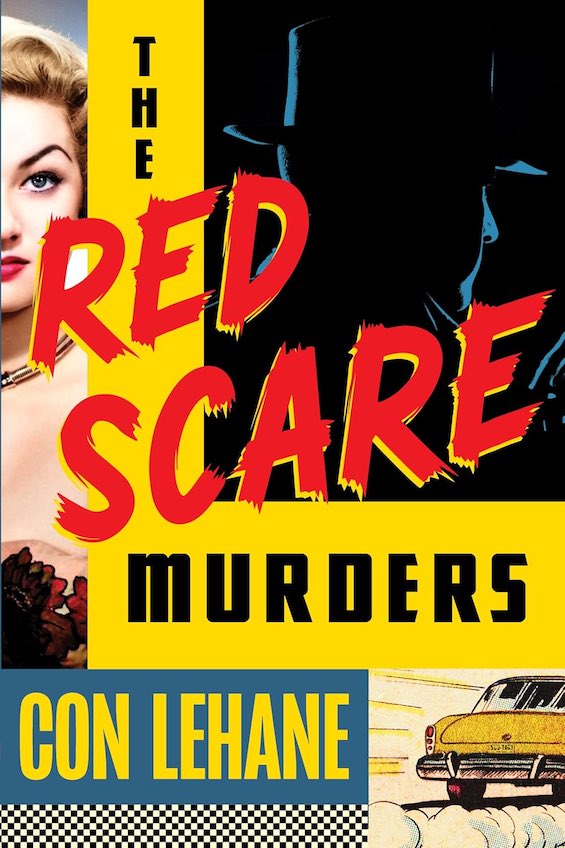
Mick Mulligan “went to meetings with Communists and ate lunch with Communists. He agreed with Communists on certain things.” And that got him fired from his job as a cartoonist and animator at the Disney studio. Which won him a place on the Hollywood blacklist. Which in turn brought him back to New York City, where he hung out a shingle as a private investigator. Welcome to the Big Apple, 1950, in the shadow of the Red Scare. And to the civil war underway in the city’s taxi industry, where gangsters battled Communists as well as the bosses in the organizing effort to build a citywide taxi-drivers’ union. Which somehow seems to explain why Duke Rogowski, president of the United Taxi and Limousine Drivers, is offering Mick a job. So begins the gripping story of The Red Scare Murders by mystery author Con Lehane.
A job to prove a Black man who’s a Communist isn’t a murderer
It turns out that Duke wants Mick to find the evidence that one of the drivers, Harold Williams, had not murdered his wealthy boss, Irwin Johnson. Harold sat on death row for the crime and would go to the chair in two weeks. The catch? More than a year had passed since the murder. But there was reason to doubt the verdict. Harold was Black and a Communist. And both facts might have weighed on the jurors’ minds. In any case, Mick can’t turn down the job. He’s broke. The money Duke is offering will pay the rent. Little does he know what he’s getting into.
The Red Scare Murders by Con Lehane (2025) 366 pages ★★★★★
Multiple suspects emerge as drivers threaten the city with gridlock
Given all the conflicting forces engaged as Duke moves forward with plans for a strike, it’s all too easy to imagine that Harold is innocent. Multiple suspects galore emerge for Irwin Johnson’s murder. Some of the other drivers, whom Johnson had cheated in business dealings. His wife, who inherited his fortune. His ex-girlfriends, whom he’d dumped without a thought. The gangsters, of course, who never shied away from violence.
And, yes, even the Communists, whose support for Harold had wavered as the Party poured its resources into defending itself at trial against charges that it had violated the Smith Act of 1940, or Alien Registration Act. The Act, made it a federal crime to advocate, abet, or teach the duty or necessity of overthrowing the U.S. government by force or violence. And somehow Mick has to sort through all these possibilities hounded, beaten, and sent to the hospital by gangsters who insist the Communists framed Harold.
Lehane writes convincingly about the Communist Party of that era and the ferocity of the witch-hunt. He understands the ideology and accurately describes its losing battle with anti-Communist hysteria. The Red Scare Murders is a worthy portrait of the fraught early years of the McCarthy era.
The historical facts
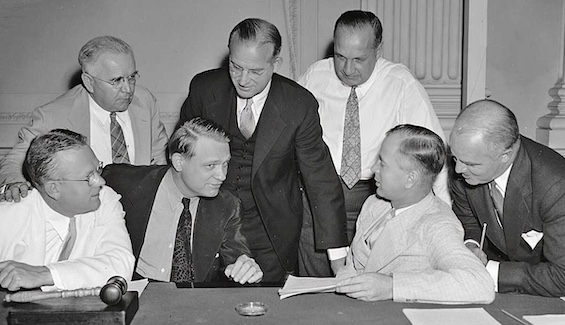
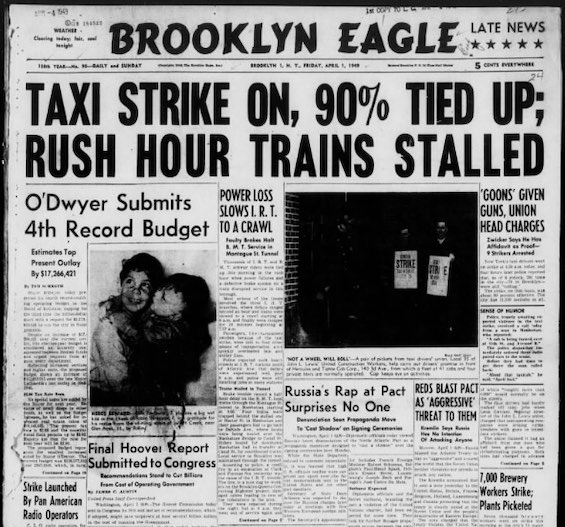
Con Lehane emphasizes the battle between Communists and gangsters for control of the New York taxi-drivers’ union. No doubt something similar was underway. Both the Communist Party and the Mob had made significant inroads into the transportation industry at the time. But there were larger issues at stake in the labor turmoil that unfolded in New York’s taxi industry in mid-century.
In 1949, Local 50 of the fast-expanding United Mine Workers led close to 10,000 New York City taxi drivers out on strike. They demanded recognition for their union and raises to as high as $11 an hour (about $150 in 2026). Nearly 90% of cabs sat idle, causing significant traffic disruption. But the strikers failed to secure their demands as the owners refused to negotiate and Mayor William O’Dwyer maintained neutrality. The strike collapsed. Sixty-six people were arrested for minor infractions, but there were no outbreaks of major violence.
By 1950, over 12,000 taxis were in operation in NYC. Drivers again struck against the major fleet operators. The Transport Workers Union (TWU) led the action, and its women’s auxiliary played a large role providing food and support for strikers. At its peak, hundreds of drivers halted traffic, notably in Midtown Manhattan. But again the strike failed. Fleet owners consistently refused to recognize the United Mine Workers (UMW) or the Transport Workers Union (TWU) as the legitimate bargaining agents for drivers. Taxicab operators successfully used strikebreakers to return a significant number of cabs to the streets within days, effectively breaking the union’s leverage.
About the author
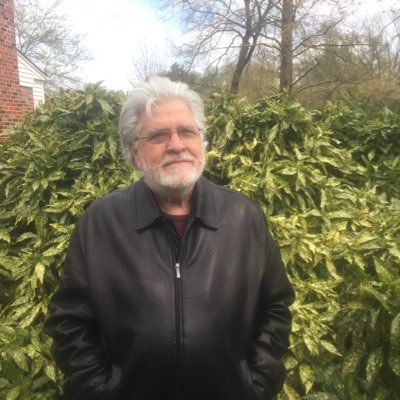
Con Lehane is the author of ten mystery novels. Over the years, he has been a college professor, union organizer, labor journalist, and has tended bar at two-dozen or so drinking establishments. He teaches fiction writing and mystery writing at The Writer’s Center in Bethesda, Maryland. Lehane lives in Washington, DC.
For related reading
You’ll find other great reading at:
- 10 top novels about private detectives
- 20 excellent standalone mysteries and thrillers
- Top 20 suspenseful detective novels
- Top 10 historical mysteries and thrillers
- The 8 best historical mystery series
And you can always find the most popular of my 2,400 reviews, and the most recent ones, on the Home Page.