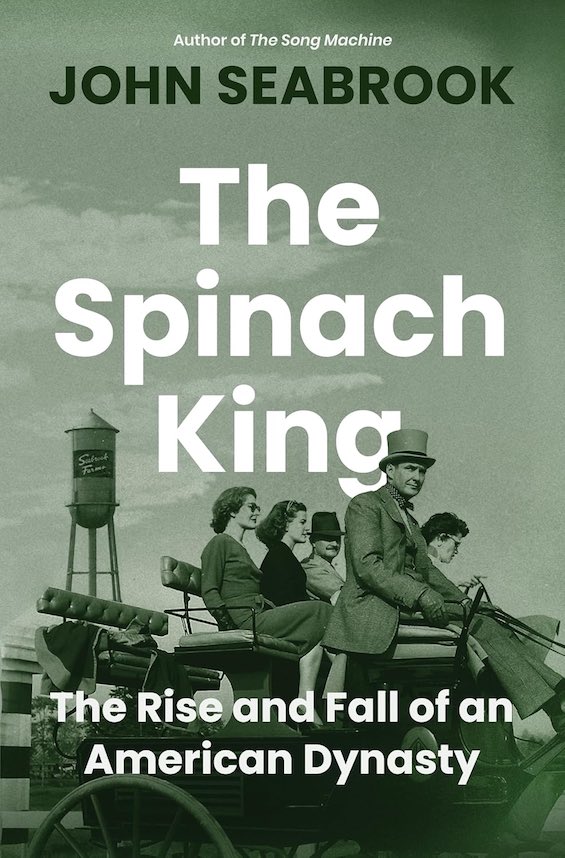
If you watched the HBO drama Succession, you’ll have a sense of what happened to the once-famous Seabrook frozen-food dynasty. Succession features a tyrannical “self-made” founder, hideous corporate crime, cynical right-wing politics, sibling rivalry, backstabbing, and worse. John Seabrook’s account of his grandfather, father, and uncles’ conduct in building, battling over, and ultimately destroying their business differs in important ways from the TV drama. But the essence is there. A narcissistic and possibly sociopathic entrepreneur grows a business through chicanery as well as sheer talent, then steadily runs it into the ground to spite his children, cheating them of their inheritance. However, the two stories differ in one major respect: the Seabrook brothers were anything but incompetent. And the author’s father, the youngest of the old man’s three sons, demonstrates a gift for business that rivals his father’s. The Spinach King is a cautionary tale about the perils of runaway capitalism.
A classic American success story—until it fell apart
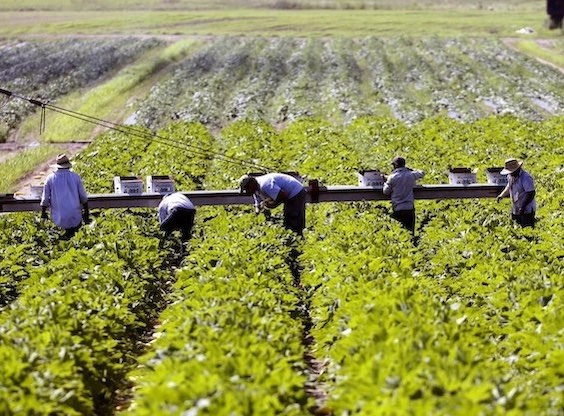
The story begins as do so many in the annals of US business. In the 1910s a second-generation American named Charles F. Seabrook (1881-1964) took over the New Jersey truck farm his father had started in 1870—by cheating the old man, it turns out. Seabrook expanded his father’s business of growing and selling fresh vegetables by buying out surrounding plots of land In what was known as “Deep South Jersey.” Boosted by massively increased sales in World War I, Seabrook Farms grew fat and wildly profitable. Seabrook was a pioneer in irrigating his fields, and the business led the farming industry through constant innovation.
The Spinach King: The Rise and Fall of an American Dynasty by John Seabrook (2025) 372 pages ★★★★☆
Pioneering innovations in agriculture
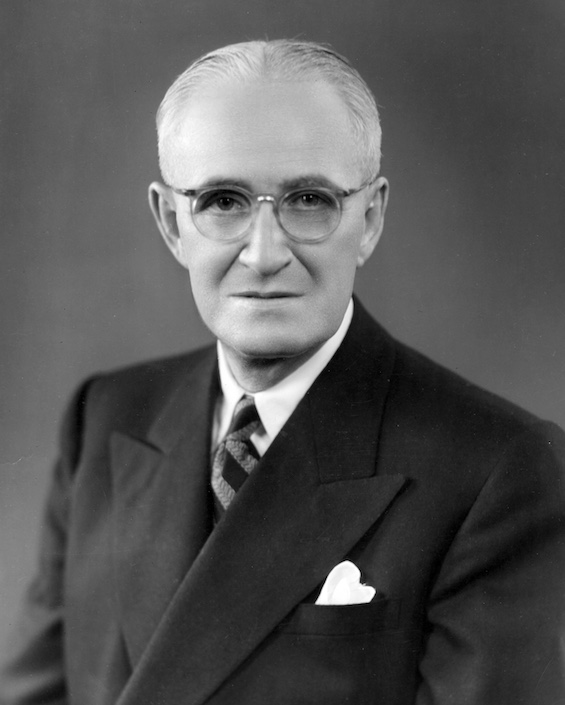
In the 1930s, Seabrook expanded the company to include the production of canned and frozen vegetables. And he entered a partnership with Clarence Birdseye (1886-1956). By the 1940s, Seabrook was operating one of the largest farm and food businesses in the United States. At its height, it was producing vegetables on over 54,000 acres of land across three states and employing more than 4,000 workers.The company also pioneered the use of gasoline-powered tractors and trucks. Seabrook Farms became the supplier of frozen food for General Foods Corporation under their Birdseye brand. By 1938, it produced two-thirds of the frozen vegetables consumed in the US. Seabrook became known as “the Henry Ford of Agriculture.” In 1955, LIFE magazine called Seabrook Farms the “Biggest Vegetable Factory on Earth.” And then, in short order, it all came to a screeching halt.
Disabled by a stroke, and it all went downhill
C. F. Seabrook had three sons: Belford, Courtney, and John, known as Jack.. Belford managed the engineering and construction of new Seabrook Farms plants. Courtney was in charge of sales. Jack started working as a general manager at Seabrook Farms after graduation with a degree in chemical engineering. Then his father named him his successor as president in 1954. He gained the nickname the “Spinach King” for his work. It all seemed to go smoothly except for one major problem: C. F. suffered a stroke in 1941, and he was never the same afterwards. Before then, he was a racist, antisemitic, right-wing tyrant but brilliant at building the business. Afterwards, the racism, antisemitism, and right-wing politics stayed on, but he periodically turned his wrath against his sons.
Over the years, again and again, he took steps to undermine their work to bring the business into the post-war era. He was especially vitriolic toward Jack, the author’s father. And in a final act of defiance toward him, he sold the company in 1959, effectively disowning his sons. Of course, none of the three were left penniless out on the street. They all continued to live well. But the power, prestige, and financial rewards of running Seabrook Farms had disappeared in a flash.
Overall assessment of the book
In The Spinach King John Seabrook brilliantly tells the story of the growth and later decline of an important American business. The company changed the country’s eating habits for the better. The author had access to family and business documents others might not have been able to obtain. And he is an unusually able writer. After all, the New Yorker doesn’t hire any dummies.
Seabrook’s family connection with the principals in this story is both a blessing and a curse. A blessing, because he knew his father and his two uncles (as well as his aunt, who also enters the story). But a curse because he brings an obvious bias to the book in view of his relationship with his father. (The two were never close, but the man was his father.) So, in the final analysis, it might be good to bring a little skepticism to the highly favorable picture he paints about his father’s stewardship of Seabrook Farms.
About the author
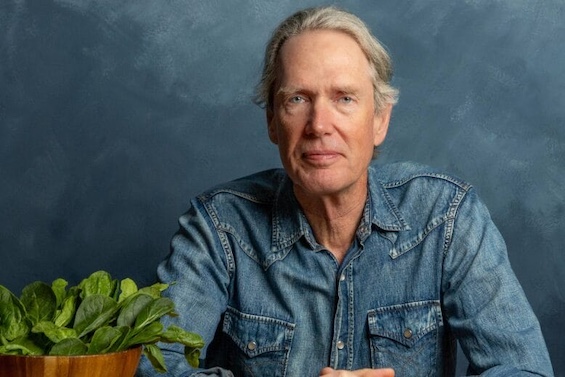
John Seabrook has been a staff writer for the New Yorker for many years. He has also published five nonfiction books. Seabrook earned degrees from Princeton University (bachelor’s) and Oxford University (MA in English Literature).
For related reading
For links to great reading, see:
- My 10 favorite books about business history
- Top 20 popular books for understanding American history
- 12 great biographies
And you can always find the most popular of my 2,400 reviews, and the most recent ones, on the Home Page.