The world is divided between tea drinkers and coffee drinkers. Google Gemini says, “Tea is overwhelmingly preferred in most of Asia, Africa, and parts of Europe (e.g., UK, Turkey). Coffee is the preferred hot beverage in the Nordics, Brazil, Canada, and parts of Europe.” But in its impact on the course of history, the production and consumption of tea has had by far the greater significance. In The Empire of Tea, his history of the beverage, anthropologist and historian Alan MacFarlane exaggerates when he writes about how widespread tea drinking has become. “Its world consumption'” he asserts, “easily equals all the other manufactured drinks in the world put together—that is, coffee, chocolate, cocoa, sweet fizzy artificial drinks and all alcoholic drinks.” But his account of tea’s impact on the British and Chinese empires is far from exaggerated.
2,000 years of history viewed through the lens of the tea industry
Tea as a beverage is of relatively recent vintage. As MacFarlane reports, “No one on earth drank tea a few thousand years ago. A few small tribal groups in the jungles of south-east Asia chewed the leaves of the plant, but that was the nearest anyone came to tea drinking. Two thousand years ago it was drunk in a handful of religious communities. By a thousand years ago it was drunk by millions of Chinese. Five hundred years ago over half of the world’s population was drinking tea as their main alternative to water. During the next five hundred years tea drinking spread to cover the world. By the 1930s there was enough tea for 200 cups of tea a year for every person in the world.”
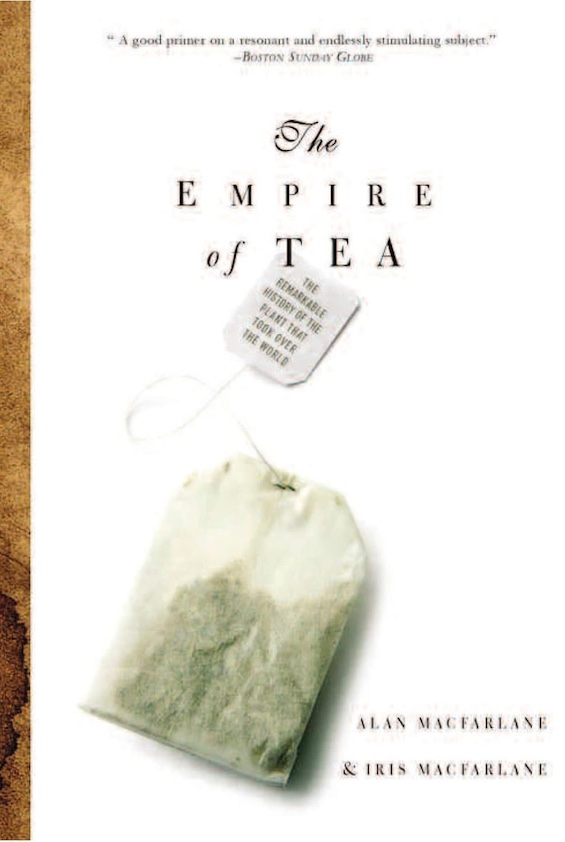
The Empire of Tea by Alan Macfarlane and Iris Macfarlane (2003) 317 pages ★★★☆☆
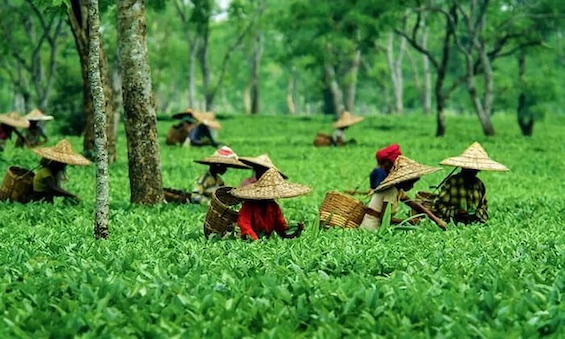
How tea helped build the Chinese Empire
So, lots of people drink tea. No surprise there. But what’s all this about its historic impact on the course of empires? Well, that’s the surprising part. Alan MacFarlane spells it all out.
First, tea has two inherent properties that have proven pivotal. It’s a stimulant, helping keep tea drinkers alert. And it’s antiseptic, with antibiotic properties. Just as important, tea is prepared by boiling water. And that kills water-borne diseases. Which makes tea a perfect substitute for water, which people previously would have drunk.
Second, think about what all that might mean for armies once tea-drinking had become widespread, as it did in China a thousand years ago. Any fighting force that’s healthier and more alert is likely to prevail over one that, like most armies in the past, were subject to frequent epidemics and bouts of dysentery. And that’s one of the reasons why the centralizing forces in Chinese society managed to build such large kingdoms and eventually an empire. Tea made a big difference.
But those factors account for the success of the Chinese Empire in centuries past. With the British, the story is different.
Tea’s role in building the British Empire
For hundreds of years China supplied the world with tea. The plant (originally a tree, not a bush) was native to southwest China and adjoining areas in Southeast Asia. Thousands, later millions, of small farmers grew and harvested the plant and delivered it in bundles on their backs to middlemen. By the time foreign merchants bought it in China’s southern ports, it had become costly. And the British eventually became impatient with paying so much. Back home, even the poor were drinking tea by the 18th century, spending a major portion of their earnings on the beverage.
For more than a hundred years, the British sought in vain to find a way to raise and manufacture tea outside China. Eventually, though, they fastened on hilly northeast India. After decades of experimentation, they finally succeeded by the middle of the 19th century in building an efficient, plantation-centered tea industry in the province of Assam on the Burmese border. They soon undercut the Chinese price and, within years, dominated the world trade. The wealth this generated funded shipbuilding and the expansion of the Royal Navy as well as the ever-higher standard of living back home. Which in turn helped make possible British colonial expansion worldwide.
How the book is structured
The Empire of Tea begins with a longish chapter by author Iris MacFarlane, whose son Alan wrote the rest of the book. In her brief memoir, she recounts her life on a tea plantation in Assam. She had married the manager of the plantation (called a “garden” locally) and lived the life of a wealthy colonial for many years. After leaving Assam behind, she gained perspective and came to understand the gross injustice built into the plantation system. and colonialism generally.
The bulk of the book consists of Alan MacFarlane’s mostly chronological account of the origins and growth of the tea trade. In writing about the practices that governed the trade for centuries, he makes clear how merchants grew wealthy while tea’s cultivators lived in abject poverty. However, in interviews with tea growers, administrators, and laborers on a visit to Assam many years after he had left India, he makes the case that conditions in India’s (and Sri Lanka’s) tea gardens have markedly improved. Today, in fact, workers there fare far better than those in the communities surrounding them. Or so his book asserts.
However, MacFarlane may be far off base in this rosy view of the industry today. As Google Gemini tells us, “Working conditions on many tea plantations today remain challenging, often characterized by low wages, poor housing, limited access to healthcare and clean water, and high rates of female, and sometimes, child labor. Despite some modernization, many workers in major tea-producing regions like India and Kenya still face a system of dependency, earning wages that often fail to meet basic needs or fall below the international poverty line.” And articles and studies by tea industry observers and human rights groups validate Google’s summary.
About the authors
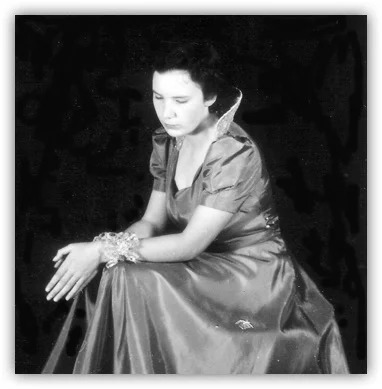
Iris Macfarlane (1922-2007) was the mother of the principal author of this book, Alan Macfarlane. In addition to the brief memoir that leads off Empire of Tea, she wrote a longer account of her life as the wife of a wealthy tea planter in Assam, India, Daughters of the Empire: A Memoir of Life and Times in the British Raj, She also published a collection of Scottish tales and wrote for History Today in the 1960s and 70s.
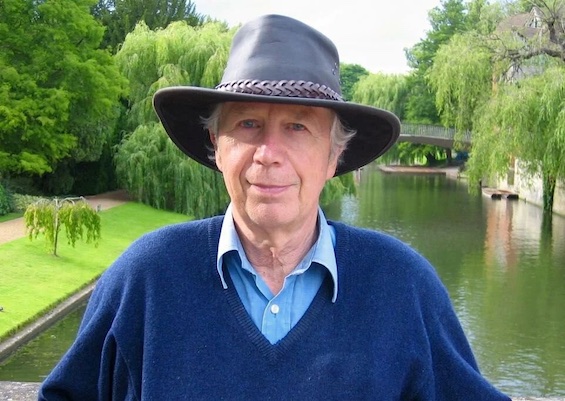
Anthropologist and historian Alan Macfarlane is a Professor Emeritus of King’s College, Cambridge. He has written or edited more than 20 books and numerous articles on the anthropology and history of England, Nepal, Japan, and China. Born in Assam in 1941, he earned a BA in modern history, master’s degrees in anthropology and history, and a PhD in history at Worcester College, University of Oxford. He moved to King’s College, Cambridge, in 1975, where he taught for decades.
For related reading
You’ll find other terrific books about history and business at:
- 25 top nonfiction books about history
- Gaining a global perspective on the world around us
- 12 great biographies
- My 10 favorite books about business history
And you can always find the most popular of my 2,400 reviews, and the most recent ones, on the Home Page.