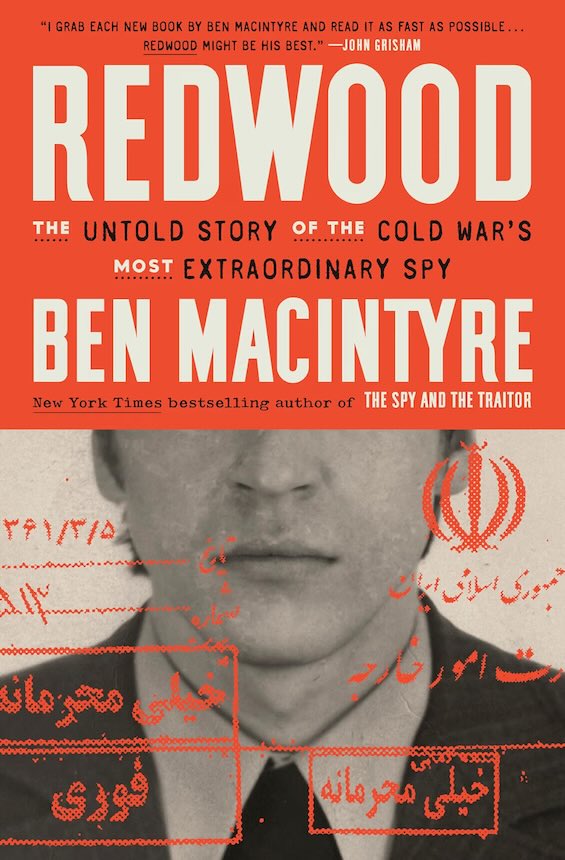
When we read history, we tend to compartmentalize. For example, Americans may read about the Red Scare of the McCarthy era and lose sight of the fact that the Korean War was raging at the same time. And that’s important because the two affected each other. Similarly, we may think of Iran’s modern history beginning in 1979 and growing into the theocratic tyranny it is today. Yet we might forget that the Soviet Union invaded Afghanistan next door in the same year—and that the Cold War was underway all the while Ayatollah Khomeini solidified his power. Leave it to British popular historian Ben MacIntyre to highlight the close connection between the two. In Redwood, his superb tale of an uncover KGB officer in Tehran who defected to the UK in 1982, MacIntyre tells the extraordinary story of how a spy shifted the course of history.
The reason he defected will surprise you
After his posting to Tehran in 1977, Major Vladimir Kuzichkin (1947-2009) became the KGB’s top spy in Iran because a married couple of illegal agents he ran were flooding Moscow with insightful intelligence. Yet all was not well in the major’s life. His marriage was foundering because he was unable to satisfy his wife in bed. Meanwhile, the illegals were producing less and less actionable intelligence, and Kuzichkin was coming under pressure from his superiors. Eventually, to protect himself and to obtain “magic pills” to correct his erectile dysfunction—pills that didn’t exist at the time—he defected to Britain. Yes, he defected for Viagra.
Redwood: The Untold Story of the Cold War’s Most Extraordinary Spy by Ben MacIntyre (2026) 407 pages ★★★★★
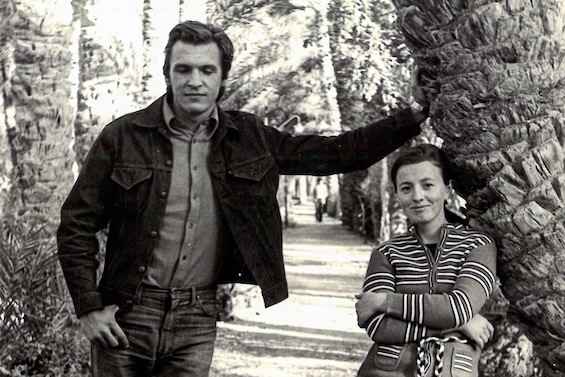
Moscow’s best agent in Tehran
Macintyre’s story opens in 1981. Tehran is in violent upheaval after the Iranian Revolution. Factions abound within the revolutionary forces, some among the Islamists themselves, others on the Left. The Soviet Union is laying the foundation to overthrow the Ayatollah’s new Islamist government. And that would pose a strategic challenge to the USA, which, like the Soviets, regarded Iran as the linchpin to the Middle East and its oil. If they succeed, Moscow will gain access to Persian Gulf oil and warm-water ports that might shift the Cold War balance. With the hawks in the ascendancy in Washington under Ronald Reagan, it’s entirely possible the American response will be nuclear. So, the stakes couldn’t be higher.
Enter Vladimir Kuzichkin, later codenamed “Redwood.” He’s the liaison for the KGB to the Iranian Communists, the Tudeh party. But, compounding the difficulty in his marriage, he has become disillusioned. He had expected to join an elite corps of ideological warriors in Tehran but finds his Soviet colleagues corrupt, lazy, and drunk. He has come to believe the Soviet system is riddled with corruption. The combination of intellectual conviction and personal problems leads him to contact MI6. Kuzichkin volunteers to spy for the British for one year if they will agree to arrange for him to be circumcized, an operation he thinks will cure his erectile dysfunction and supply him with pills to ensure it works.
An escape plan that was almost certain to fail
The major’s main contact was a young undercover MI6 officer, Ian McCredie. Over eight months spying from inside the Soviet Embassy, Kuzichkin produced a flood of critical intelligence. It showed the Tudeh Party as a Soviet-funded puppet directed and armed by the KGB. But Iranian intelligence and the KGB were close to uncovering Kuzichkin’s treachery. McCredie, then, had to devise an escape plan. And there was only one possible route. Yet even that route would almost certainly lead to failure. Still, with the support of his bosses in London, McCredie put the plan into action. He personally drove Kuzichkin to the border at great risk to himself.
Then MI6 swung into action in consultation with the CIA. Responding to Cold War imperatives, the British turned over everything Kuzichkin had revealed to the Ayatollah’s regime. This included an exhaustive list of the top leaders of the Tudeh and the more radical factions as well as details about all the Russian agents operating in Iran. The regime rounded up thousands of Tudeh members and other Leftists. There were show trials reminiscent of Josef Stalin. And many were executed.
As is the case with his previous books, Macintyre’s research was extensive. He drew on previously unseen material from several countries and interviews with officers from MI6, MI5, the KGB and the CIA. And the result is a book that’s not only on solid historical ground but is written with all the verve and tension of a top-notch spy novel.
About the author
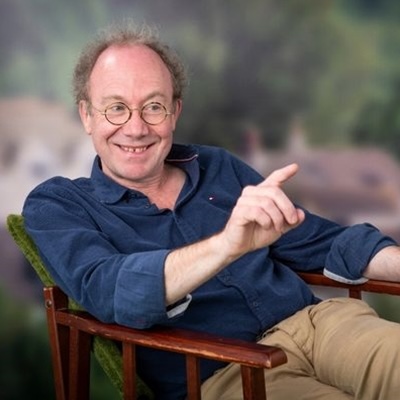
Ben MacIntyre has received numerous awards for many of the 17 books he has published. He was born in Oxford in 1963, the son of an Oxford history don and an aristocratic mother. He attended St. John’s College, Cambridge, where he earned a degree in history.
For related reading
I’ve reviewed many of Ben MacIntyre’s other books:
- Double Cross: The True Story of the D-Day Spies (Were British double agents the key to the Normandy invasion?)
- A Spy Among Friends: Kim Philby and the Great Betrayal (Was Kim Philby the greatest spy ever?)
- Rogue Heroes: The History of the SAS, Britain’s Secret Special Forces Unit that Sabotaged the Nazis and Changed the Nature of War (The story of the original special forces)
- Agent Sonya: Moscow’s Most Daring Wartime Spy (The extraordinary Soviet spy who gave Stalin the bomb)
- Operation Mincemeat: How a Dead Man and a Bizarre Plan Fooled the Nazis and Assured Allied Victory (How the Allies fooled the Nazis with a corpse)
You’ll find other great reading at:
- The 15 best espionage novels
- Good nonfiction books about espionage
- The best spy novelists writing today
And you can always find the most popular of my 2,500 reviews, and the most recent ones, on the Home Page.