You won’t recognize some of the names on this list of exceptional women. Most were little known even in their own time. They represent a wide range of activities, from espionage to politics to science and to running their countries. But what they have in common with the three reigning monarchs here is that their lives mattered (and, in two cases, still matter a great deal). The work they did, or simply the lives they lived, has left a mark on history. And their lives inspire us today. Though flawed, as are we all, the women portrayed in these books surpassed the capacity that prevailing opinion ascribed to their gender.
Readers are likely to find some of the authors of these books familiar, having gained a measure of fame in their own right. But most will probably be new to you.
All but one of the books below are biographies. Only one is a novel. They’re listed in alphabetical order by the subjects’ last names (or their first names, in the case of the three queens).
This post was updated on May 28, 2026.
Catherine the Great
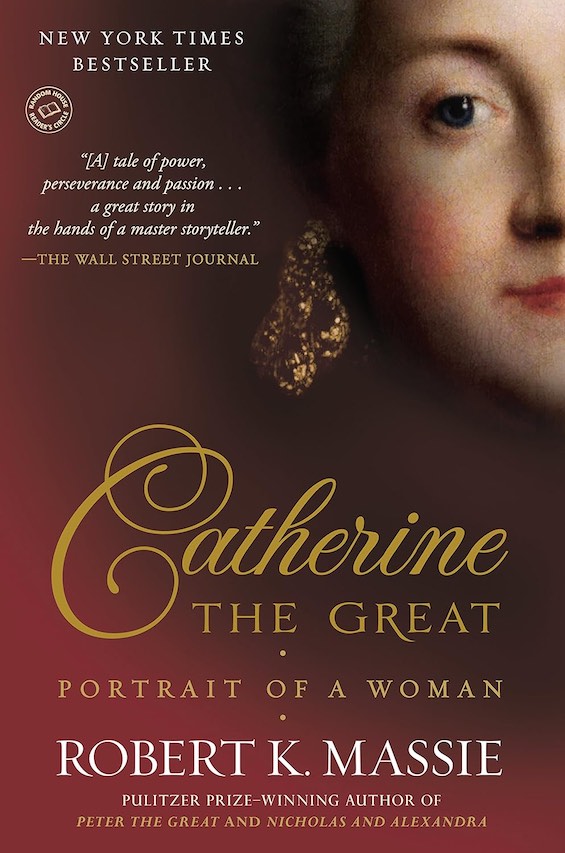
Catherine the Great: Portrait of a Woman by Robert K. Massie (2011) 840 pages ★★★★★—Catherine the Great: biography at its best
She convened the first representative assembly in Russia’s history, anticipating the creation of the ill-fated Duma a century and a half later. And she came to be known as Catherine the Great, no mystery to anyone who reads this masterful book about her. A contemporary of Montesquieu and Jefferson and loyal correspondent with Voltaire and Diderot, she took the first few steps toward reform of her country’s peculiar form of slavery, serfdom.
Clementine Churchill
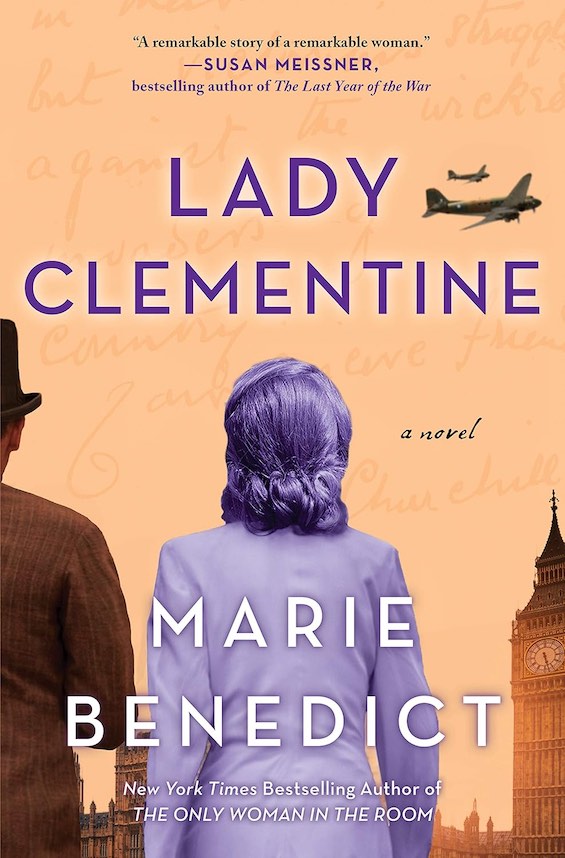
Lady Clementine by Marie Benedict (2020) 402 pages ★★★★☆—She edited Winston Churchill’s wartime speeches
Winston Churchill’s reputation as one of the most significant figures of the 20th century rests in some measure on the surpassing power of his speeches. He was, without doubt, a stylist of unusual talent as well as a compelling orator. But what is little known is that he was not the sole author of some of those famous speeches. His wife, Lady Clementine Churchill, was his editor of last resort. Her behind-the-scenes role comes to light in this excellent biographical novel.
Cleopatra
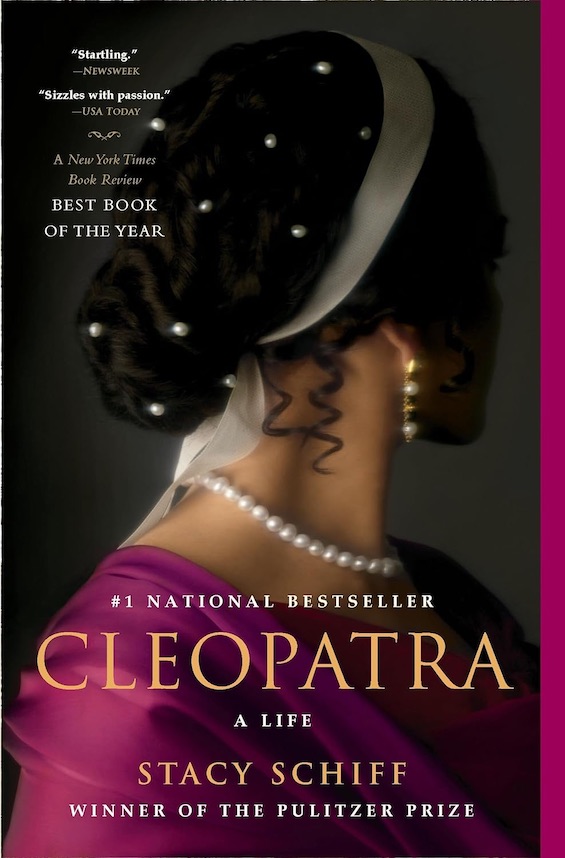
Cleopatra: A Life by Stacy Schiff (2010) 432 pages ★★★★★—Revealing the historical truth about Cleopatra
Elizabeth Taylor, she wasn’t. Nor was she the Cleopatra of Shakespeare’s imagination, or of Plutarch’s. Cleopatra was, simply put, one of the ablest and most powerful women in history. She ruled unchallenged the richest kingdom of the Western world for more than two decades. In this extraordinary work of historic reconstruction, Pulitzer Prize-winning biographer Stacy Schiff digs deep below the surface of the available sources, both primary and secondary, to write what is surely the fullest and most accurate picture we’ll ever have of the elusive first-century Egyptian queen. Here, at last, is the truth about Cleopatra.
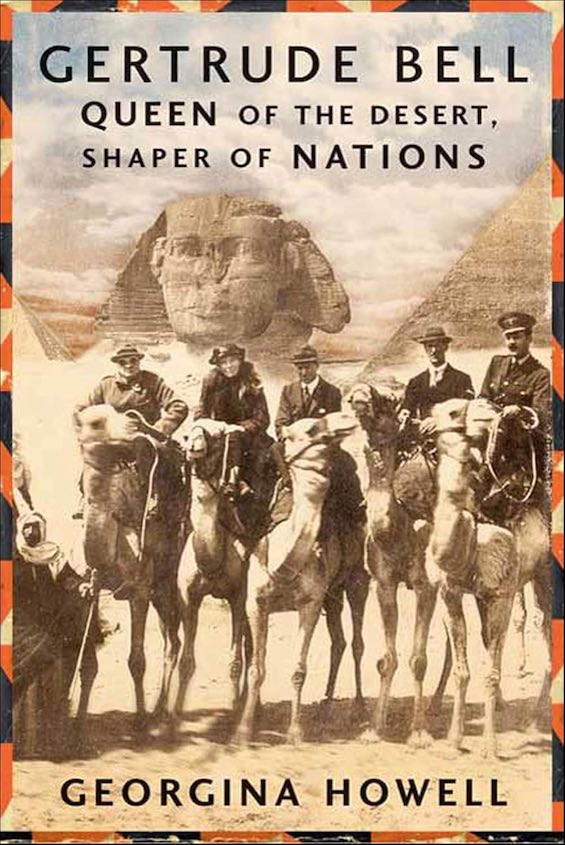
Gertrude Bell: Queen of the Desert, Shaper of Nations by Georgina Howell (2007) 540 pages ★★★☆☆—She was more famous than Lawrence of Arabia, and more important
Gertrude Bell (1868-1926) was one of the most remarkable women of the 20th century. Or of any century, for that matter. Her life spanned the Victorian and Edwardian eras, the First World War, and its aftermath. She distinguished herself as an explorer, mountaineer, travel writer, political officer, administrator, and archaeologist. For two decades, she was the West’s leading expert on the Middle East and Arab affairs. Her fame dwarfed that of Lawrence of Arabia (1888-1935) until 1919, when American journalist Lowell Thomas made him famous. While Lawrence helped spark the Arab Revolt in 1916, it was Bell who had paved the way during two decades of exploration in the region. And it was she, not he, who engineered the formation of an independent Iraqi state under the leadership of her friend, its first king, Faisal I (1885-1933). Georgina Howell’s admiring biography of Bell tells the whole story.
Jennifer Doudna
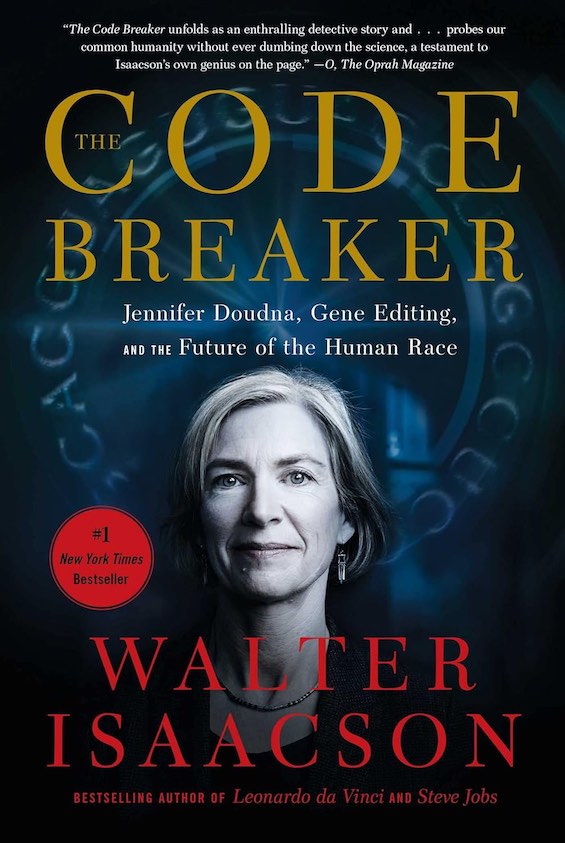
The Code Breaker: Jennifer Doudna, Gene Editing, and the Future of the Human Race by Walter Isaacson (2021) 552 pages ★★★★★—CRISPR technology may change the world as we know it
If you have received either the Moderna or the Pfizer/BioNTech vaccine against COVID-19, you benefiting from a biomedical tool called CRISPR. CRISPR technology enabled scientists to create both vaccines in record time. This extraordinary new tool allowed medical researchers to bypass the clumsy and time-consuming methods employed in vaccine development in the past. The historic breakthrough that led to the now-widespread use of CRISPR in biomedical labs the world over came only in 2012. And it won the Nobel Prize for Chemistry eight years later for a remarkable woman at the University of California, Berkeley, named Jennifer Doudna.
Mamie Fish
Glitz, Glam, and a Damn Good Time: How Mamie Fish, the Queen of the Gilded Age, Partied Her Way to Power by Jennifer Wright (2025) 235 pages ★★★★☆—The outrageous woman who helped shape the Gilded Age
Mark Twain satirized the period as the Gilded Age, suggesting that an overlay of gold plating hid the seamy reality underneath. Later, historians fixed the term to the years from the late 1870s to the late 1890s. Then, America emerged from the devastation of the Civil War to become the world’s preeminent industrial power. And a few prominent men held most of the great wealth generated by this growth. They possessed private fortunes surpassed only by today’s high tech billionaires. Meanwhile, their wives, circumscribed by the sexist conventions of the Victorian era, rarely played any role in the economy. Instead, they held their own competitions for power and acclaim by building grand houses and holding parties. Journalist Jennifer Wright tells the story of one of the most acclaimed of these women in Glitz, Glam, and a Damn Good Time. It’s a biography of the Gilded Age itself.
Elizebeth Smith Friedman
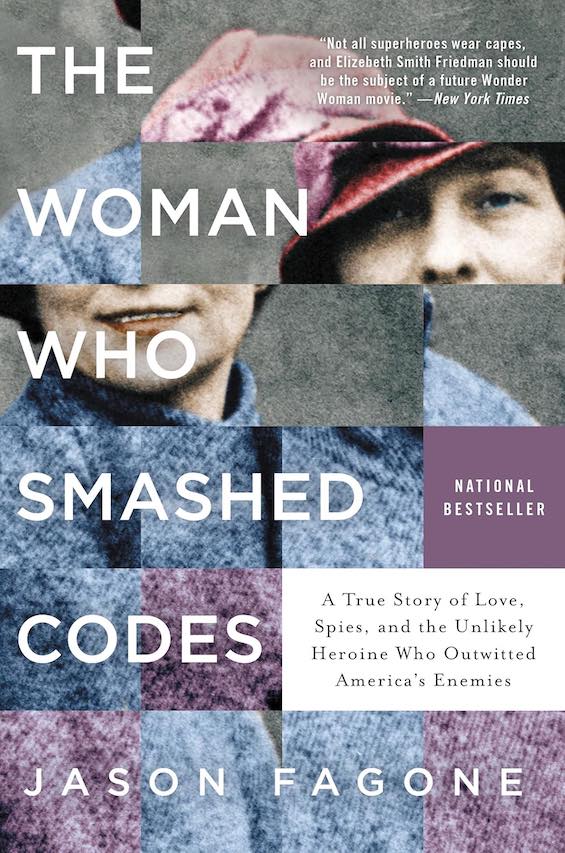
The Woman Who Smashed Codes: A True Story of Love, Spies, and the Unlikely Heroine Who Outwitted America’s Enemies by Jason Fagone (2017) 464 pages ★★★★★—The woman codebreaker who caught gangsters and Nazi spies
Working with recently declassified files from the World War II era as well as long-ignored archival records and contemporary press reports and interviews, journalist Jason Fagone has brought to light at last the astonishing story of Elizebeth Smith Friedman and her husband, William Friedman. (Yes, her first name is spelled with three e’s.) Fagone profiles the brilliant couple in his beautifully written story, The Woman Who Smashed Codes: A True Story of Love, Spies, and the Unlikely Heroine Who Outwitted America’s Enemie. The Friedmans may well have been the most important 20th-century American codebreakers, and quite possibly the best and most successful in the world.
Pamela Harriman
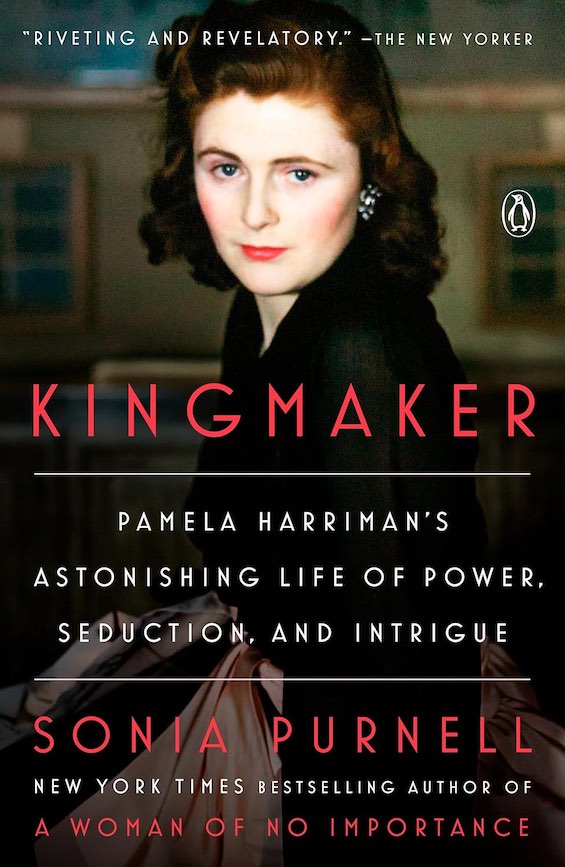
Kingmaker: Pamela Harriman’s Astonishing Life of Power, Seduction, and Intrigue by Sonia Purnell (2024) 525 pages ★★★★★—She helped jump-start the WWII Anglo-American partnership
That cover photo does not do her justice. Pamela Churchill Harriman (née Digby, 1920-99) was one of the great beauties of the Anglo-American world well into her seventies, and other photos reveal that. She was ridiculed) throughout most of her life as a courtesan, having slept with hundreds of men, a great many of them among the wealthiest and most powerful of the age. But she was much more than that. And the gifted English author Sonia Purnell marshals newly available evidence to prove the case in her magnificent new biography, Kingmaker. That new evidence reveals Pamela—everyone called her that—to have played a pivotal role in building the vital Anglo-American alliance in World War II. She worked directly at Winston Churchill’s side during the early years of the war. It’s an astounding story, not previously told in detail, that justifies the subtitle of the book.
The Woman and Her Stars by Penny Haw (2026) 329 pages ★★★★☆—She was a pioneering astronomer. In the 18th century.
Women did not begin to gain any measure of equality with men until sometime in the 20th century. So it is always inspiring to read about women whose accomplishments were so outstanding that even under the most egregious pressure of misogyny they made their mark on history. One exceptional woman, who is little known today except in her field of specialization, was the German astronomer Caroline Herschel (1750-1848). South African journalist Penny Haw brings her unusual story to light in The Woman and Her Stars.
Fredericka Mandelbaum
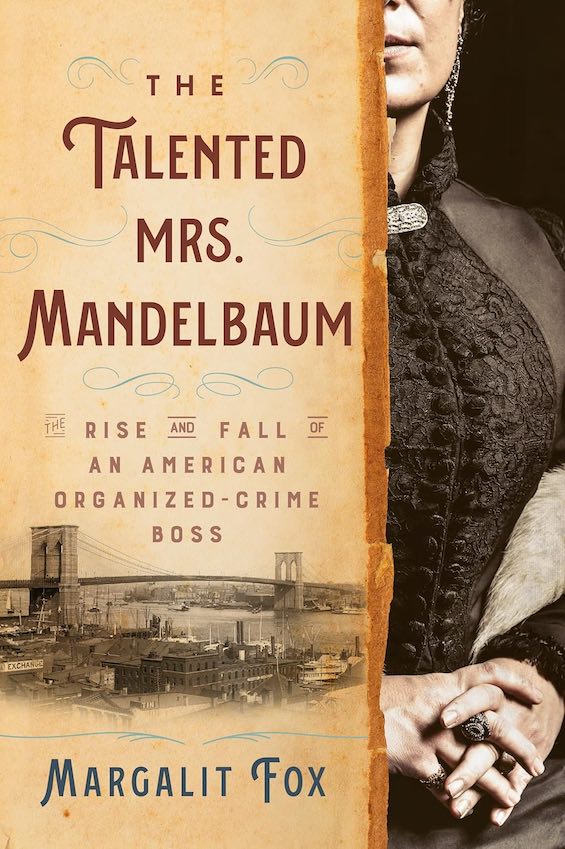
The Talented Mrs. Mandelbaum: The Rise and Fall of an American Organized-Crime Boss by Margalit Fox (2024) 336 pages ★★★★★—She was organized crime’s boss in Gilded Age New York
She ran a modest haberdashery shop on Manhattan’s Lower East Side. Fredericka Mandelbaum, an “upright widow, philanthropic synagogue-goer, [and] doting mother of four,” was also the boss of the country’s most notorious crime syndicate. And when Pinkerton detectives finally staged a raid on her premises in 1884, she had reigned for twenty-five years as one of the most infamous underworld figures in America. “[S]he presided over a multi-million-dollar criminal operation that centered on stolen luxury goods and later diversified into bank robbery.” Mrs. Mandelbaum was a “fence,” a receiver of stolen goods. She had no peer in New York or anywhere else in the country. The accomplished nonfiction author Margalit Fox colorfully chronicles her rise and fall in her true crime masterpiece, The Talented Mrs. Mandelbaum.
Jessica Mitford
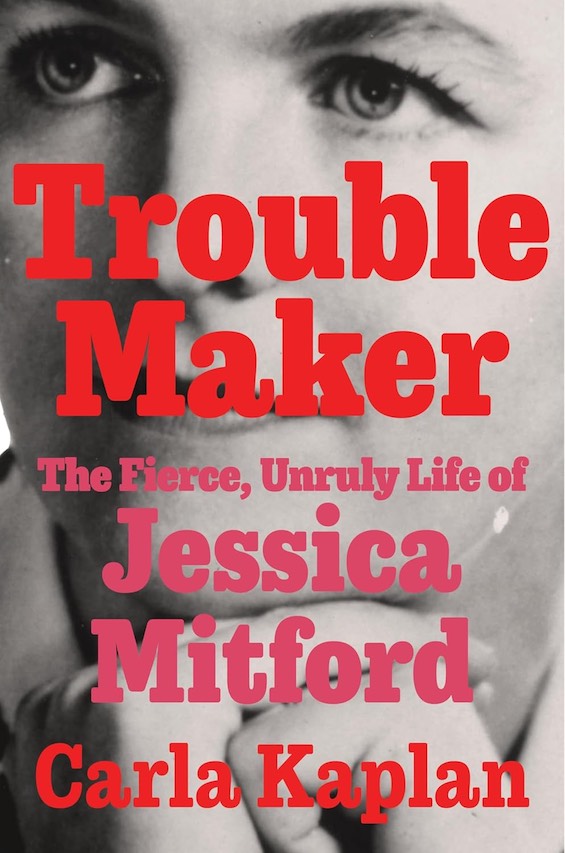
Troublemaker: The Fierce, Unruly Life of Jessica Mitford by Carla Kaplan (2025) 592 pages ★★★★★—Aristocrat, Communist, muckraker: she grabbed headlines all her life
A dwindling number of American readers recognize the name Jessica Mitford (1917-96). And those who do probably think of her as the author of her most successful book, The American Way of Death. It shot to the top of the New York Times bestseller list on its publication in 1963 and stayed there for six weeks. Its revised edition is still in print today. And, more important, its savage takedown of the funeral industry led to major federal reform. But it was only one of a dozen books she wrote. And writing never defined her.
She herself, and most of her many friends on both sides of the Atlantic, saw Mitford as an activist dedicated to social justice. In the late 1940s and 1950s, she was one of the most significant figures in the American Left. In short, she was a troublemaker. And author Carla Kaplan accurately characterizes her that way in her deeply researched biography, Troublemaker: The Fierce, Unruly Life of Jessica Mitford.
Nancy Pelosi
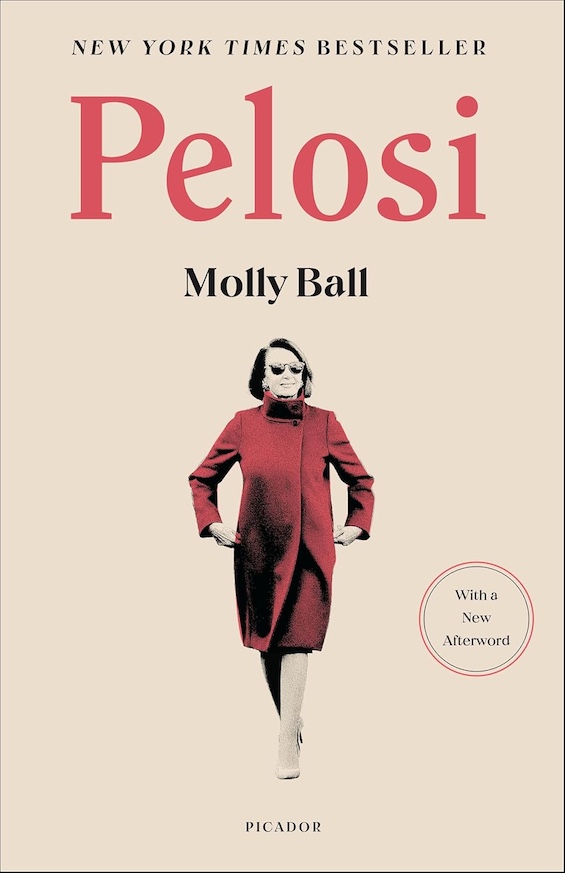
Pelosi by Molly Ball (2020) 359 pages ★★★★★—A critical but admiring biography of Nancy Pelosi
She has one of the most recognizable names in America. Yet far too few Americans have more than the most trivial understanding of who she is and where she comes from. And that ignorance is compounded by a relentless, years-long smear campaign by the Right Wing—a campaign that has only intensified since the 2018 Congressional elections that elevated her for the second time to the leadership of the US House of Representatives. As Speaker, Nancy Pelosi proved to be far and away the most successful leader of the growing national opposition to the Administration of Donald Trump. Journalist Molly Ball‘s terrific new biography of Pelosi makes entirely clear how she has grown into that role and why she is so successful.
Odette Sansom
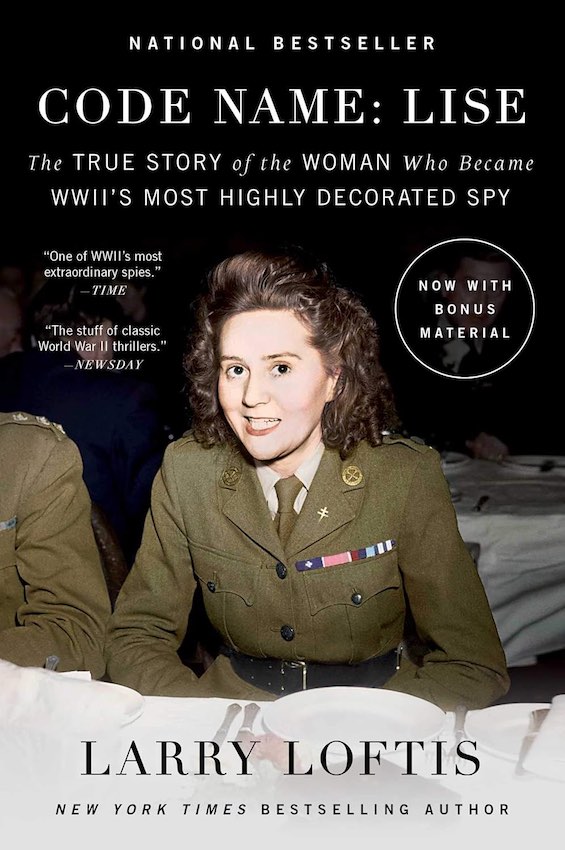
Code Name: Lise: The True Story of the Woman Who Became World War II’s Most Highly Decorated Spy by Larry Loftis (2019) 385 pages ★★★★★—A woman was World War II’s most highly decorated spy
She was the most decorated spy in World War II of either gender. Her name was Odette Sansom (later Odette Hallowes). From 1942 to 1945, she served as an officer of Britain’s Special Operations Executive. From November 1942 to April 1943, she worked in southern France as a courier for an SOE network that delivered arms, money, and supplies to the French Resistance. Betrayed by the witless leader of a French network operating in the same area, she was arrested along with her leader and lover, Captain Peter Churchill. She and Churchill were arrested by the Gestapo in April 1943, She spent the rest of the war imprisoned in the women’s concentration camp at Ravensbrück.
The Soong Sisters
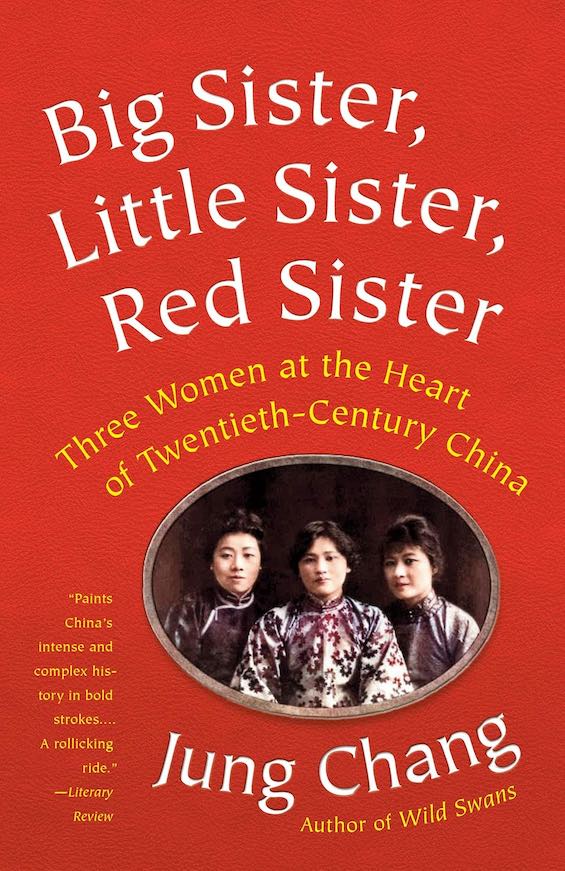
Big Sister, Little Sister, Red Sister: Three Women at the Heart of Twentieth-Century China by Jung Chang (2019) 375 pages ★★★★★—They shaped twentieth-century Chinese history
The three sisters’s lives spanned three centuries of Chinese history. Born late in the nineteenth century, the youngest of them died at the age of 105 in 2003. Together, these three extraordinary women helped shape the destiny of the world’s most populous nation from the closing days of the Manchu dynasty to the dawn of China’s ascension into a superpower. In Big Sister, Little Sister, Red Sister, the acclaimed Chinese-British historian Jung Chang tells their story with compassion and an obsessive attention to historical fact. In the process, she illuminates the story of twentieth-century Chinese history from a new perspective.
Rose Pastor Stokes
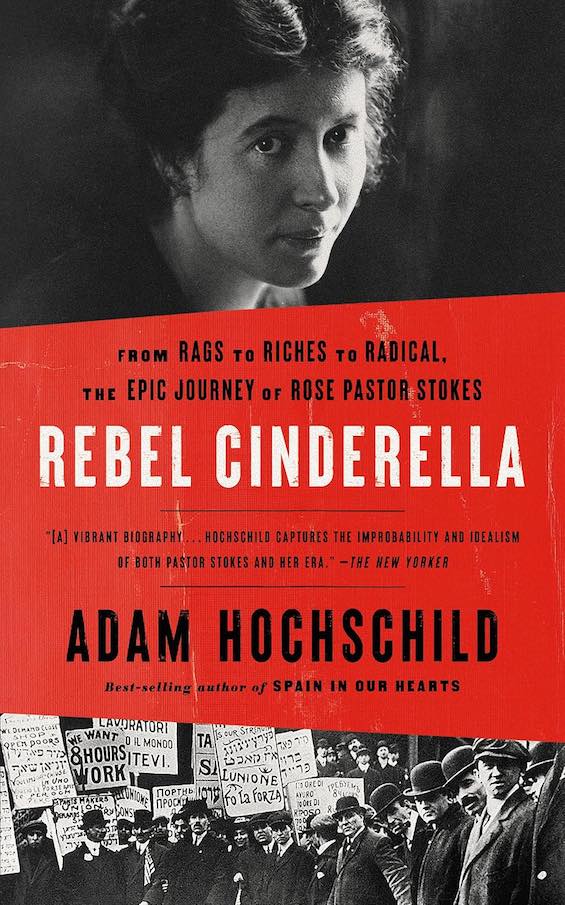
Rebel Cinderella: From Rags to Riches to Radical, the Epic Journey of Rose Pastor Stokes by Adam Hochschild (2020) 320 pages ★★★★★—Early 20th-century America viewed through the life of one extraordinary woman
You’re unlikely ever to have come across her name before, but you’ll be fascinated by the remarkable story Berkeley author Adam Hochschild tells about her life in this excursion into popular history. Rose Pastor Stokes was one of the most famous and influential people, women OR men, during the crucial years that spanned the presidencies of Theodore Roosevelt, William Howard Taft, and Woodrow Wilson. From 1905 to 1921, she continuously captured newspaper headlines for her unlikely marriage to one of the country’s wealthiest men and her relentless campaign on behalf of the labor movement and socialism in America.
Rose Valland
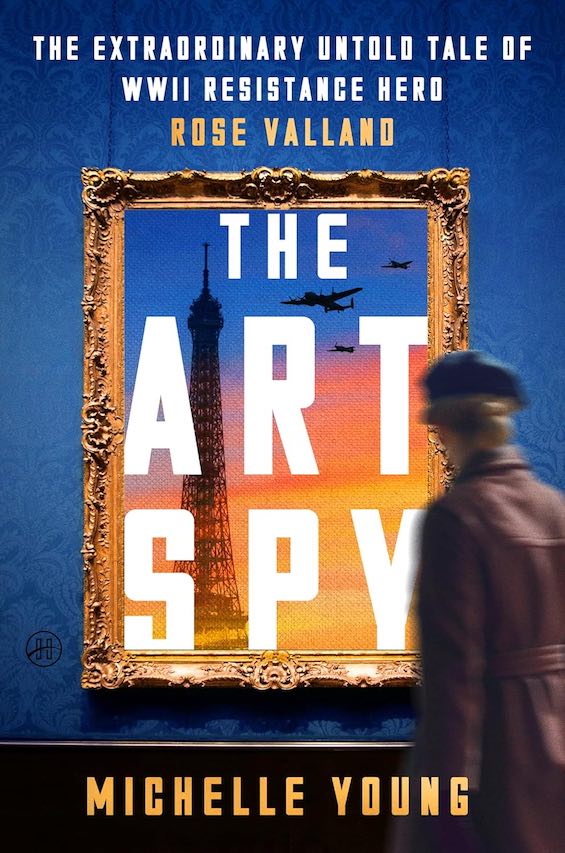
The Art Spy: The Extraordinary Untold Tale of WWII Resistance Hero Rose Valland by Michelle Young (2025) 400 pages ★★★★★—She defied the Nazis to save the world’s greatest art treasures
During the six years of World War II in Europe, Nazi officials and their collaborators looted some 650,000 works of art. Competing Nazi bureaucracies sent agents throughout the Continent, plundering museums and private, Jewish-held collections alike. Reichsmarschall Hermann Göring, who was Hitler’s second-in-command for much of the war, was the most prominent of the thieves. But other leading Nazis, especially ideologist Alfred Rosenberg, and several Nazi and French collaborationists in Paris, played central roles as well. To track and record their activities, an heroic French art historian agreed to spy on the bandits. Author Michelle Young tells her astonishing story, and that of the Nazi thieves, in The Art Spy.
Queen Victoria
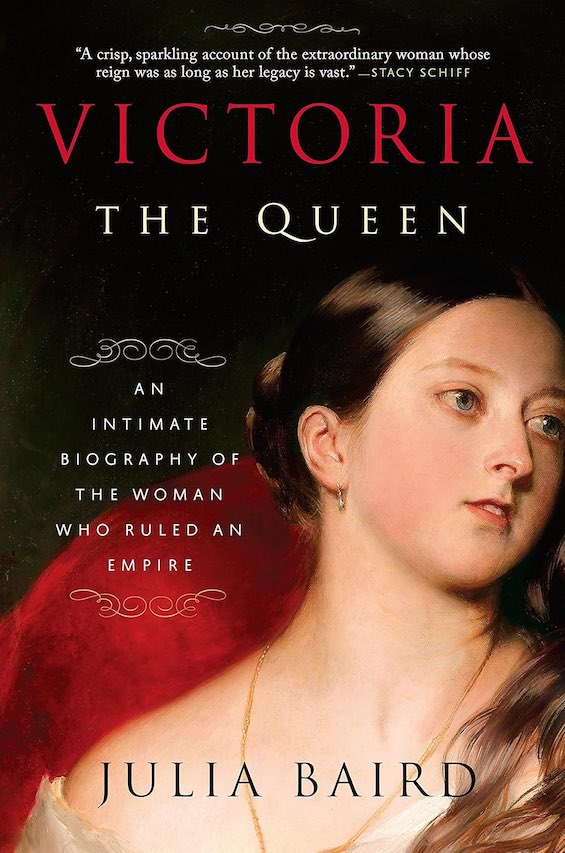
Victoria, the Queen: An Intimate Biography of the Woman Who Ruled an Empire by Julia Baird (2016) 752 pages ★★★★★—An eye-opening biography of Queen Victoria
When we think today of an English Queen, we tend to conjure up the benevolent figure of Elizabeth II, waving from the balcony at Buckingham Palace or from the back seat of a car. Of course, if we read English history—or if we’ve watched the popular Netflix series, The Crown—we know more than that. For example, we’re aware that the demands of constitutional monarchy strictly circumscribe the Queen’s role. Elizabeth II had no political role whatsoever. Her job was merely to accept the will of her subjects and deal with the hand Parliament dealt her. For her son, Charles III, it’s no different. But that was emphatically not true with her great-great grandmother, Queen Victoria, who ruled Great Britain from 1837 to 1901, imprinting her name on an era. And Julia Baird makes that case with penetrating clarity in her masterful biography of Queen Victoria.
Nancy Wake
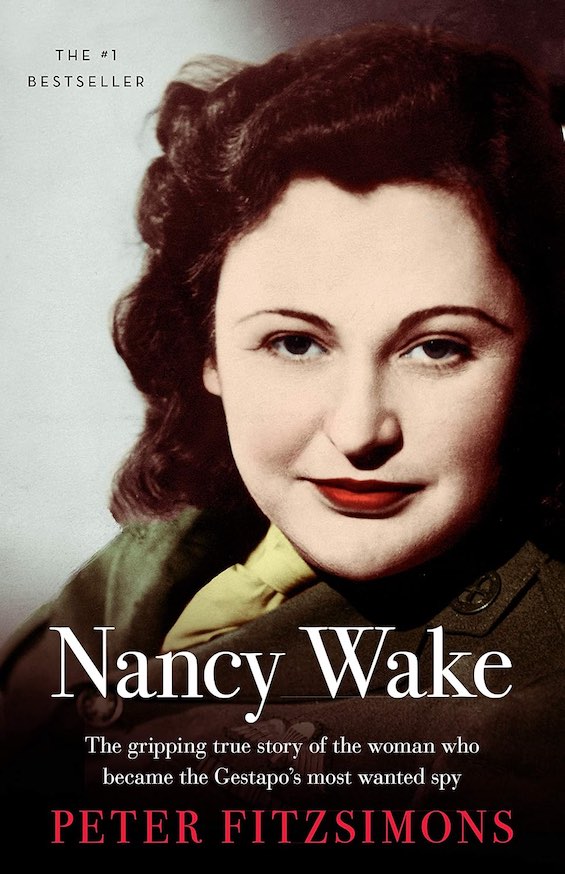
Nancy Wake: The gripping true story of the woman who became the Gestapo’s most wanted spy by Peter FitzSimmons (2011) 329 pages ★★★★★—A female WWII spy led thousands against the Nazis
Recent years have seen a flood of new books belatedly highlighting the role of women in espionage in World War II. Despite rampant sexism and misogyny, women did indeed fill vital roles as spies, codebreakers, and analysts in intelligence-gathering as well as partisan activities behind enemy lines. And few women played as prominent a part as a phenomenal Australian woman named Nancy Wake (1912-2011). Her exploits in France during the war have been the subject of at least five books as well as a feature film and a TV series. The best of the books, I’ve found, is Peter FitzSimmons‘ Nancy Wake, which appeared in 2011, the year of her death at the age of 98.
For related reading
For links to other great reading, see:
- 12 great biographies
- 25 top nonfiction books about history
- Top 20 popular books for understanding American history
- 25 most enlightening historical novels
And you can always find the most popular of my 2,400 reviews, and the most recent ones, on the Home Page.